合并几何体
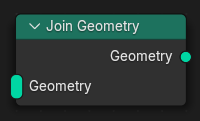
合并几何体 节点将单独生成的几何体合并到单个几何体中。如果几何体输入包含不同类型的数据,则输出也将包含不同的数据类型。
Note
当多个几何输入具有体积组件时,节点无法处理此情况。
材质
当多个网格输入包含不同的材质时,来自每个网格几何形状的材质槽被合并,使得输出网格将包含所有输入材质。
属性
合并来自多个几何输入的属性时,输出属性将选择复杂度最高的数据类型。例如,如果一个几何体输入的 weight 属性是布尔型,而另一个几何体输入的是矢量型,那么输出几何体上的 weight 属性将使用矢量数据类型。
Note
在实例化或并入几何体时,顶点组将被保留。若上述域与类型传播规则最终确定顶点域为浮点型,则该属性在输出网格中将表现为顶点组。
In the case where some geometry inputs contain an attribute that the other geometry inputs don't, that attribute is default-intialized on all elements of the geometry inputs that don't have that attribute. This applies whether that attribute is named or anonymous.
编号
When merging multiple geometry inputs, the indices of the elements of each geometry input are not reordered when merging.
The indices of the elements of the geometry inputs are merged in the order of the geometry inputs of the multi-input socket. For example, if there are 3 geometry inputs going into the multi-input socket with indices ranging from 0-9 each, then after merging, the indices of the top geometry input range from 0-9, the indices of the middle geometry input range from 10-19 and the indices of the bottom geometry input range from 20-29. As the indices of the elements of the geometry inputs are not reordered when merging, the indices of the top geometry input are the same as before merging while the the indices of the middle and bottom geometry input simply have offsets added to their indices when compared to before merging.
The same behavior applies to material indices.
Indices of Instanced Geometries
When merging multiple geometry inputs that contain instances of geometries, The indices of the instanced geometries may be reordered when merging. This means that while the order of the indices of the instances are guaranteed to be the same as before merging, the order of the indices of the geometries that are being instanced may be different than before merging.
The same behavior applies to material indices.
输入
- 几何数据
将要连接的几何体。允许多个输入。当节点被屏蔽时,只会传递第一个链接。
输出
- 几何数据
标准的几何体输出。